Awareness & Education
WHAT IS TB?
Understanding the symptoms, causes, and treatment of tuberculosis is the first step toward effective prevention and care.
Understanding the symptoms, causes, and treatment of tuberculosis is the first step toward effective prevention and care.
The Philippines has one of the highest rates of tuberculosis (TB) in the world, ranking third according to the World Health Organization Global TB Report 2025. In 2024, an estimated 724,000 Filipinos developed TB, and nearly five people die from the disease every hour.
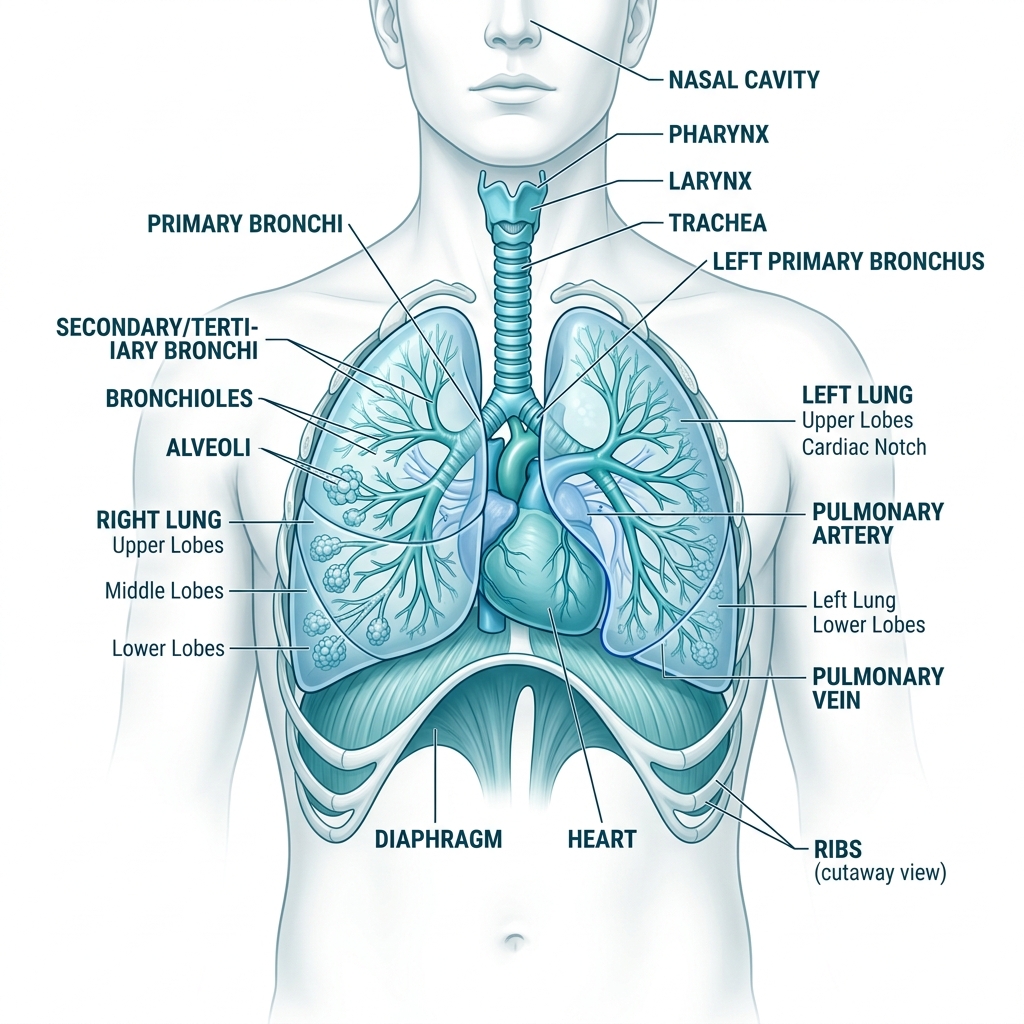
Tuberculosis is an airborne infectious disease caused by the bacterium Mycobacterium tuberculosis. It primarily affects the lungs but can also damage other parts of the body such as the spine, bones, and lymph nodes.
About one-quarter of the world's population is infected with TB bacteria, but only 5% to 10% of those infected will develop active TB disease in their lifetime. There are two TB-related conditions: TB infection (also called latent TB), where the bacteria remain inactive and do not cause symptoms or spread to others, and active TB disease, where the bacteria become active, cause illness, and can be transmitted to other people.
If not properly treated, TB can lead to serious health complications and even death. Early detection and complete treatment are essential to prevent the spread of the disease and to save lives.
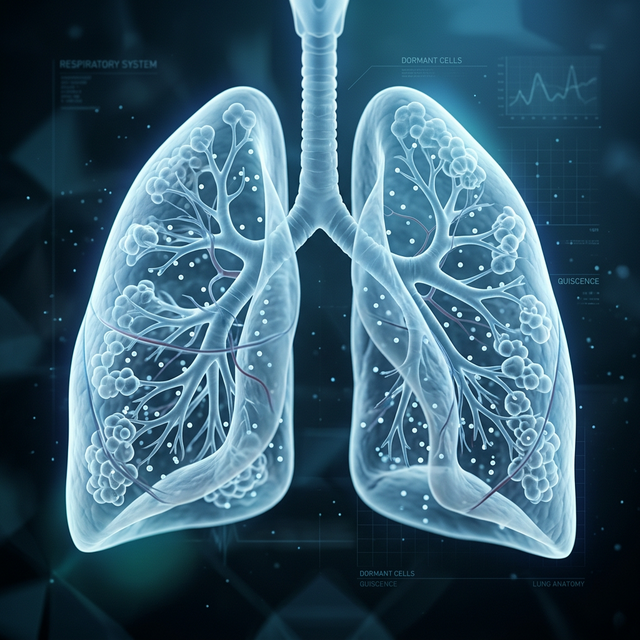
TB infection occurs when a person is infected with TB bacteria that stay inactive in the body. People with TB infection do not show any symptoms and cannot spread TB bacteria to others, but are at risk of TB disease. TB infection can be detected through a TB skin or blood test.
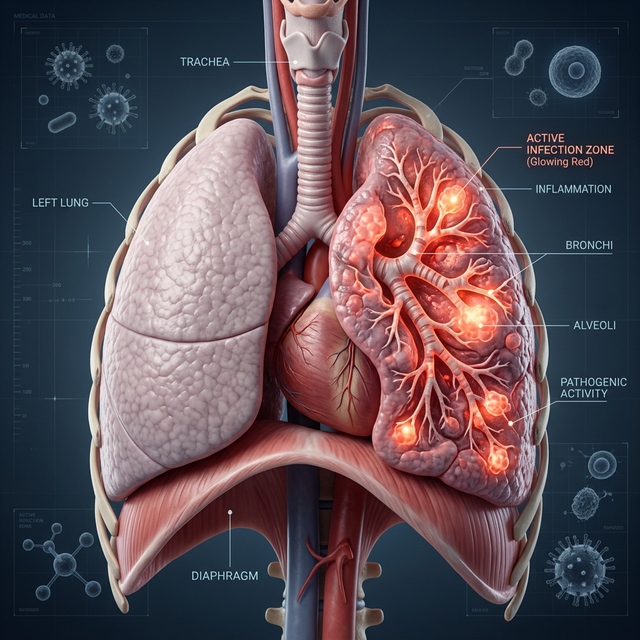
If the immune system of a person with TB infection weakens, it can allow TB bacteria to grow, resulting in active TB. People with weak immune systems, such as those with HIV or cancer, are more at risk of developing active TB.
The main signs and symptoms of tuberculosis (TB) usually last for two weeks or more. People with active TB disease may experience these symptoms and can spread the infection to others if not properly treated.
In many cases, TB symptoms start mildly and may not be noticed right away. Because of this, some people delay seeking medical care and may unknowingly transmit the disease to others. Findings from the 2016 National TB Prevalence Survey showed that around 80% of individuals with TB symptoms did not take proper medication or chose to self-medicate, while more than 50% of people eligible for sputum collection were asymptomatic but had chest x-ray findings suggestive of TB.
If you or someone you know is experiencing symptoms of TB, or has not had a chest X-ray within the past year, it is important to seek medical advice. You may contact the Philippine Tuberculosis Society Inc. or visit your nearest healthcare provider for proper screening, diagnosis, and treatment.
Understanding how TB spreads and who is most at risk is essential for effective prevention.
TB is caused by bacteria called Mycobacterium tuberculosis or the tubercle bacilli. Like the common cold, TB is spread through droplets from an infected person with active TB when they cough, sneeze, talk, or sing.
Insects, water, or blood • Shaking someone’s hand • Sharing food or drink • Touching bed linens, clothes, or toilet seats • Sharing toothbrushes • Kissing • TB is not hereditary
Case finding is the identification of presumptive TB by symptoms-based screening, chest x-ray or both. Early detection is key to successful treatment.
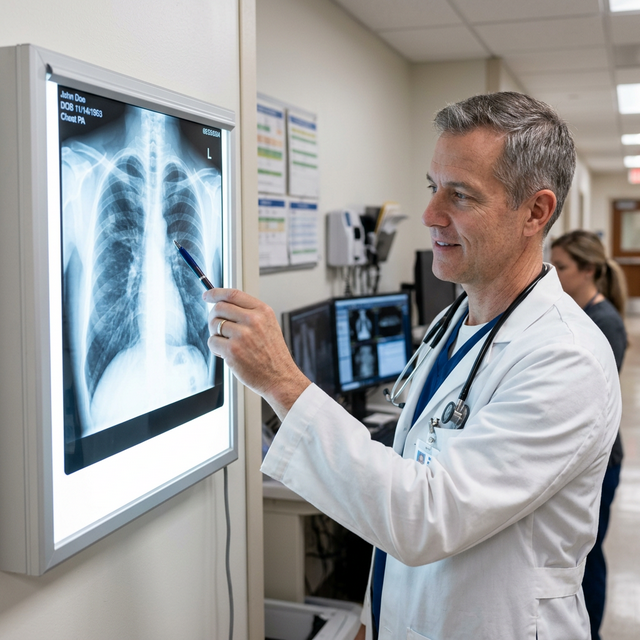
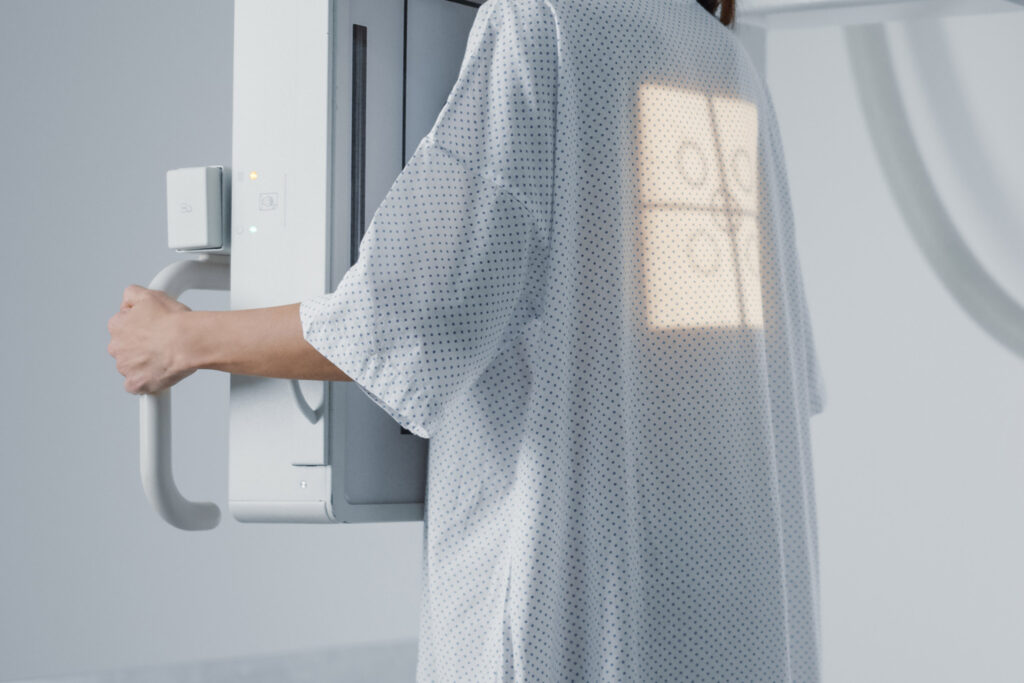
A primary screening tool that detects abnormalities in the lungs that may be compatible with tuberculosis infection.
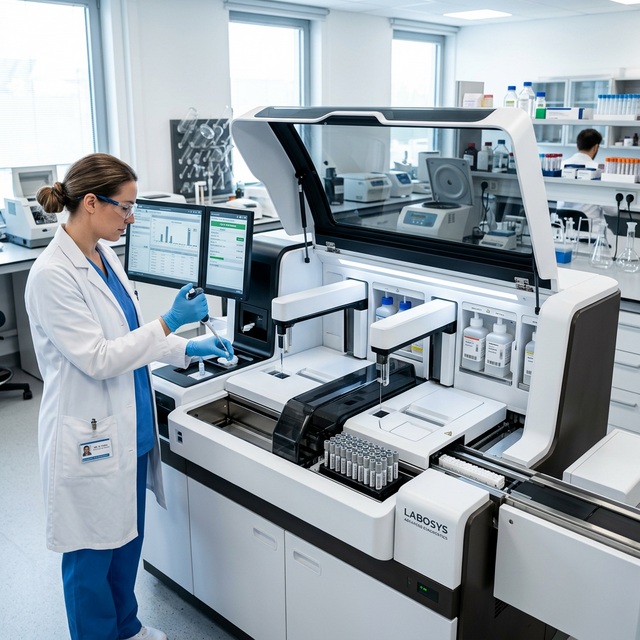
The primary diagnostic test for TB in adults and children. This advanced test also detects multidrug-resistant TB (MDR-TB).
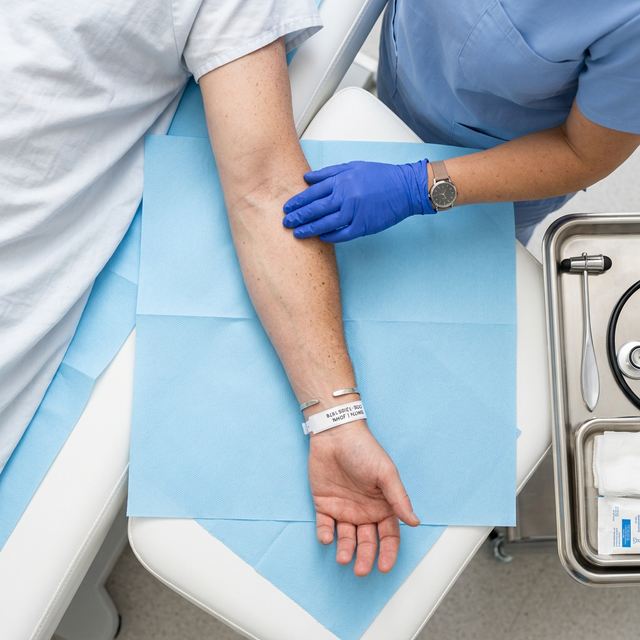
A skin reaction test that uses tuberculin to detect TB. It is highly recommended for children under 5 years old.
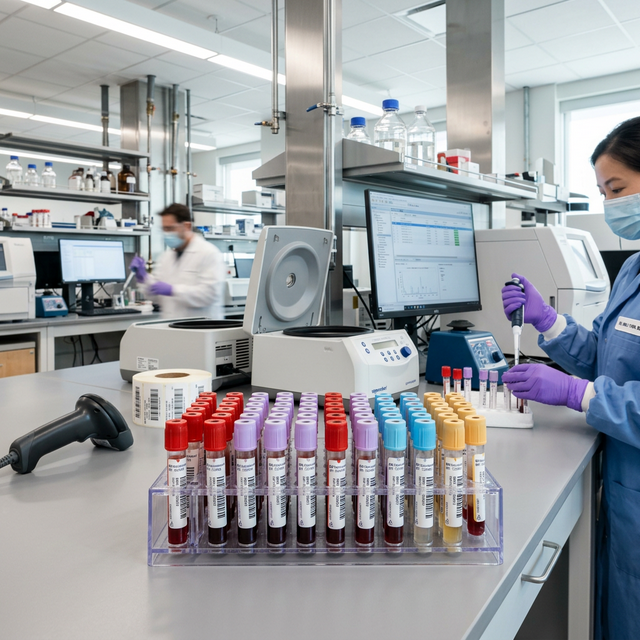
A sophisticated blood test (IGRAs) for detecting TB. Recommended for people who have received the TB vaccine (BCG).
TB can be cured and prevented. When left untreated, TB could be fatal.
TB can be cured completely by taking the prescribed medicine and attending check-ups for at least 6 months. This treatment is called the Directly-Observed Treatment, Short-Course (DOTS), or Tutok-Gamutan.
DOTS is approved by the World Health Organization and is available in all Southeast Asian countries.
People with pulmonary TB, or TB of the lungs, should stay home from work or school to avoid spreading it. They may stop being infectious after taking the prescribed TB drugs for 2 weeks. However, they must still follow the rest of the prescribed treatment period afterwards.
The DOTS regimen consists of an intensive phase of 2 months, followed by a continuation phase of 4 months.

Drug-susceptible TB
(TB DOTS)
Multidrug-resistant TB
(MDR-TB
treatment)
Severe drug-susceptible
extrapulmonary
TB (ETB)
TB treatment is affordable at the Quezon Institute and all PTSI branches.
Know our ServicesIf a patient stops taking their medicine before the treatment period ends, the TB bacteria in their body can become stronger and more resistant to drugs. This may lead to MDR-TB, which is harder to treat.
Each prescribed treatment period must strictly be followed to completely cure the patient.
Have questions about TB screening, treatment, or our services? Our dedicated team is ready to assist you. Reach out to us today.